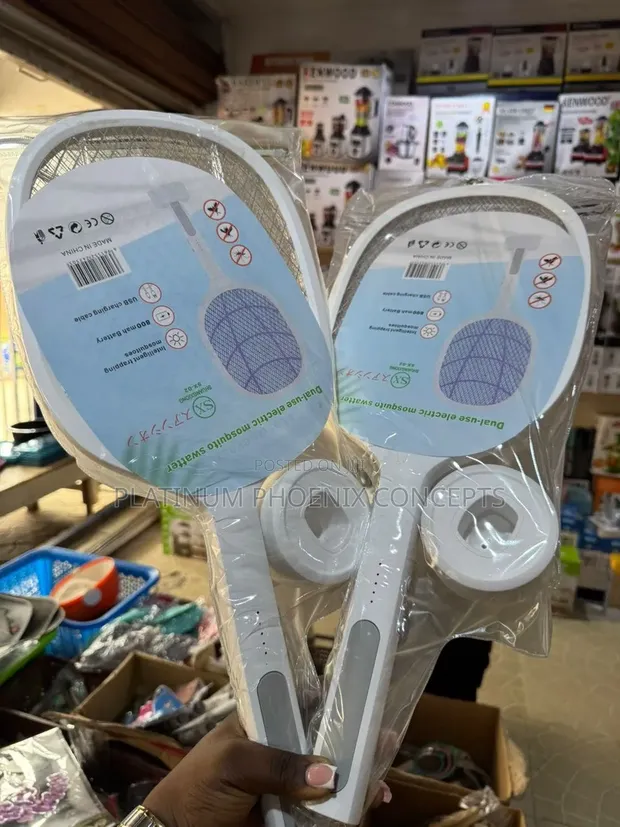
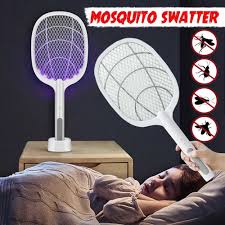

A mosquito swatter (or electric fly swatter) is a handheld, battery-powered device that uses a high-voltage electrical grid to instantly electrocute flying insects on contact. It is a popular, chemical-free alternative to traditional insect sprays or vaporizers.
How It Works
-
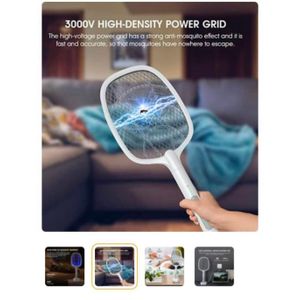
- Mechanism: Inside the handle, a circuit board and a rechargeable battery oscillate to generate roughly 2500 to 3500 volts of electricity across the mesh grid.
- Safe-Touch Grid: Most modern swatters have a 3-layer protective grid. The two outer nets act as shields (making it relatively safe to touch for humans) while the inner active net electrifies the insect.
- No Smearing: Instead of crushing flies against the wall (which leaves a mess), a mosquito swatter zaps them mid-air, leaving no residue.
Types of Mosquito Swatters
-
- Handheld: Standard racket-shaped design operated by pressing and holding a button while you swing.
- Dual-Use/2-in-1: These come with a resting stand. When placed on the stand, they can emit ultraviolet (UVA) light to attract and trap mosquitoes automatically while you sleep.
Key Features to Look For
-
- Battery: Choose a swatter with a built-in lithium-ion battery (usually around 1200mAh) that charges via USB, which is much more cost-effective than disposable batteries.
- LED Light: Many models include a small LED flashlight to help you see bugs in dark corners.
Safety & Usage Tips
- How to Swing: Do not swing the racket vigorously at the bug. The wind generated by a fast swing will actually blow the mosquito away. Approach the insect slowly and tap it gently. [1]
- Charging: Fully charge the battery for 8 to 12 hours before its very first use to prolong battery lifespan.
- Hazards: Avoid touching the inner metal mesh while the button is pressed. Keep the device completely away from water and electronics, as the electrical pulse can damage sensitive internal wiring in items like televisions.


Reviews
There are no reviews yet.